
Checking Criminal History in Granite City
Start with Granite City Police for an officer report, incident, traffic stop, or arrest narrative. Move to Madison County for a jail booking, filed charge, docket, or judgment. Illinois State Police supplies statewide channels. Keep the date, location, report number, full name, and case number available so each office can find its own record.
- Confirm Granite City Police was the responding or arresting agency.
- Request the identifiable police record through the City Clerk FOIA channel.
- Search the Madison County Circuit Clerk gateway for each filed count and outcome.
- Contact Madison County Jail for current or historical custody facts.
- Use ISP CHIRP for public convictions or fingerprint Access and Review for your own Illinois history.
2330 Madison Reports, 405 Randle Bookings
The Police Department creates the city narrative; Madison County Jail creates the intake record. Asking the jail for an officer narrative or the city for county booking details reaches the wrong custodian. A report can include officers, witnesses, property, and allegations, while a booking record covers intake, holding charges, release, and transfer.
Neither is the final result. The State's Attorney may file different counts or no count, and the Circuit Clerk judgment supplies the disposition. Preserve each record's agency, date, and number so early allegations are not mistaken for a later outcome.
Granite City Police Department Records
The Granite City Police Department at 2330 Madison Avenue holds city incident, arrest, investigative, and traffic records. Research did not verify a public name-search database or official lookup app. Use the official page for current contacts and the written request route instead of a third-party aggregator.
A focused request gives requester contact information, the Police Department as the target, incident date and location, report number when known, record description, and preferred format. State commercial-purpose status if asked. Do not send unnecessary sensitive identifiers.
Granite City FOIA Through the Clerk
The City Clerk route provides existing records rather than answers to questions or a newly compiled history. Ask for a named report, log, recording, or policy. For video, include date, approximate time, location, incident, and a narrow interval. This helps the city identify responsive material and limits unnecessary volume.
Pending investigations, confidential sources, personal privacy, juvenile or victim information, and safety-sensitive details can be withheld or redacted. A partial release is still useful: compare the released report number and dates with the county docket rather than treating redaction as evidence of the case outcome.
Granite City Arrests and Bookings
Custodial arrests generally route to Madison County Jail at 405 Randle Street in Edwardsville. No reliable live official county roster was exposed during research, so use the Sheriff or jail public counter and phone channel. Provide full legal name, date of birth for disambiguation, booking number if known, and approximate arrest date.
Ask for custody status, booking date, arresting agency, holding charges, case number, detainers, and release or transfer, subject to disclosure limits. Release or transfer to IDOC can end a county custody result without erasing the city report or court case.
When the Police Report Comes First
A Granite City report can exist before prosecutorial review produces a court case. Search the Circuit Clerk again later and save the exact case number once it appears. A citation can also create a court file without a jail booking, so the absence of custody data is not proof that no charge exists.
Online court dates can change after the displayed snapshot. Confirm schedules with the clerk and use the docket to locate the charging instrument, final judgment, and sentence order. That sequence separates the initial city allegation from the official disposition.
Granite City Municipal Court Records
Illinois does not give Granite City a separate municipal criminal-history database. Criminal and traffic adjudication runs through the Circuit Court. Citation questions follow the clerk shown on the notice, while criminal searches and copies route to Madison County Circuit Clerk. Read each count; “disposed” is a status, not the outcome.
| Court Name | Madison County Circuit Court, Third Judicial Circuit; citation-specific routing may appear on the notice. |
|---|---|
| Case Types Heard | Felonies, misdemeanors, criminal traffic, traffic citations, and ordinance-related matters. |
| Case Lookup Channel | Circuit Clerk gateway, then the clerk counter at 155 N. Main Street. |
| What the Docket Shows | Case number, parties, charges, dates, docket events, status, and available dispositions. |
| Copies & Fees | Order plain or certified copies from the Circuit Clerk; confirm current charges. |
Booking Allegations Versus Court Outcomes
An arrest charge and jail holding charge describe an early stage. The State's Attorney may decline, alter, or add counts. Dismissal, nolle prosequi, supervision, acquittal, plea, and conviction must be read count by count. A general “disposed” label does not reveal which result occurred.
Dismissal or acquittal does not automatically remove the Granite City report or arrest entry. Illinois expungement and sealing eligibility depends on the whole record. For self-review, compare a certified final order with ISP Access and Review before assuming an older item has been cleared.
Where Granite City Records Go
Granite City Police creates local reports and reports qualifying arrests. Madison County prosecution and courts create filing, docket, and disposition records. Agencies transmit required events to the state repository, though timing and matching errors can leave a disposition absent from an early response.
Record flow: Granite City PD › Madison County Courts › Illinois State Police
Use city and jail channels for a recent event, the Circuit Clerk for adjudication, ISP CHIRP for public conviction information, and fingerprint Access and Review for a person's own fuller Illinois record and correction process.
When Granite City Cases Reach IDOC
A county custody result ends when a sentenced person transfers to state custody. The IDOC custody locator then becomes the right channel. The official search shown below is the source for Illinois prison custody, rather than a city or county roster.
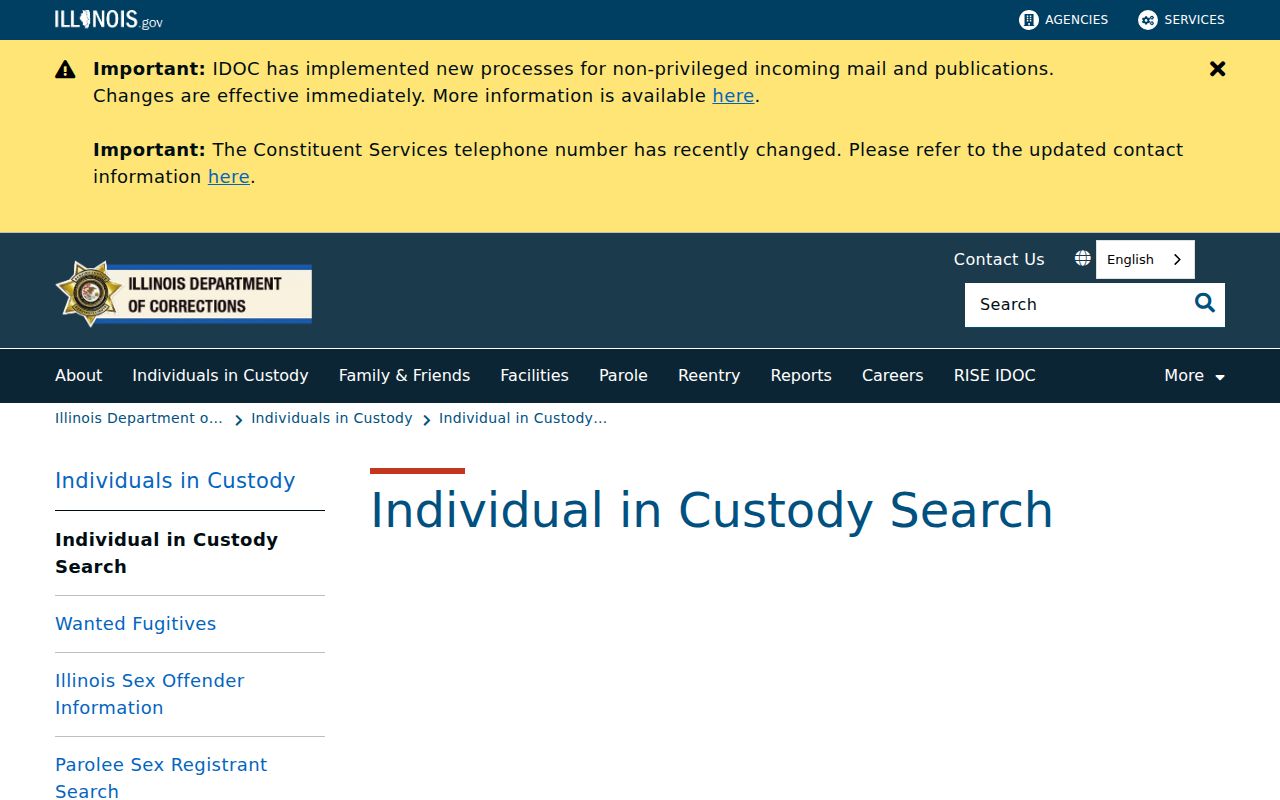
After locating the person, return to the Madison County judgment for the offense outcome and sentence. Mandatory supervised release and Prisoner Review Board information remain separate from the Granite City report, county booking, and court judgment.
Illinois Prisoner Review Records
A Granite City case can generate another record layer after sentencing. The Illinois Prisoner Review Board addresses matters within its authority, while IDOC maintains custody information. The official Board source below should not be mistaken for a criminal-court docket or police report.

Use the Board's current official materials for its proceedings and terminology. Confirm the underlying conviction and sentence through the Madison County Circuit Clerk because a Board record does not replace the final court order.
Federal Custody From Granite City
A federal prosecution connected to Granite City does not enter the Madison County Circuit Court system. Federal dockets use PACER, and federal custody uses the Bureau of Prisons Inmate Locator. The source interface below searches by name or federal identifying number.
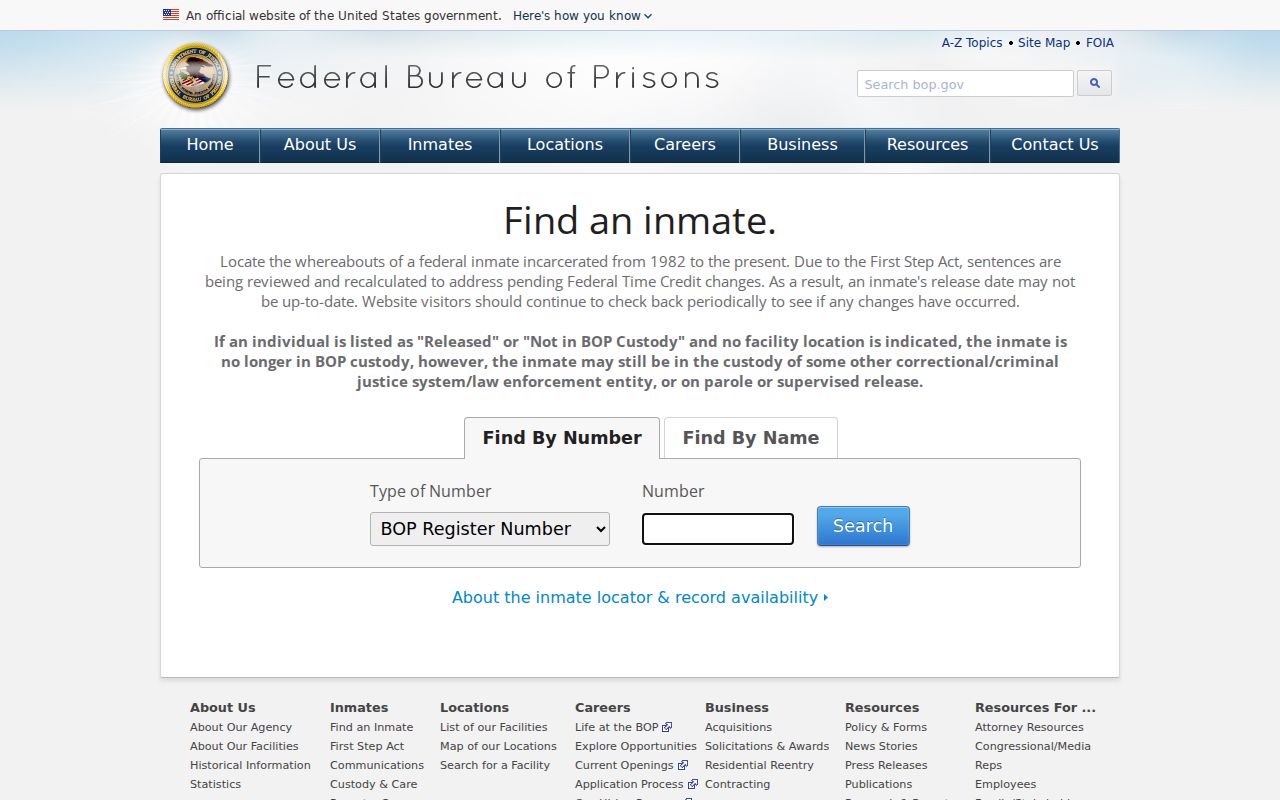
Verify a federal result against the Southern District of Illinois docket and federal register number. A BOP release date or location answers custody questions, while the federal judgment explains the conviction and sentence.
Older Granite City Cases Beyond the Index
The online gateway does not guarantee that every old image is available. Ask the Circuit Clerk for retrieval or a certified final order using the case number and docket dates. Historical and genealogy research may require Illinois Regional Archives Depository holdings because Madison County court records extend into the nineteenth century.
Keep nearby Missouri results separate. A St. Louis record belongs to another state system even when an event has a Metro East connection. Verify court, state, case number, and originating agency before deciding two entries describe the same matter.
Building a Complete Granite City Record Trail
A useful record trail preserves the source and timing of every item. Label the city report with its Granite City Police report number and occurrence date. Label the county intake with its booking identifier and intake date. Label the court material with the exact Madison County case number, count, docket date, and document title. If a CHIRP result or personal ISP transcript is added, record its response date because repository data can change after a disposition is reported or a correction is processed.
When names are common, compare lawful identifiers such as date of birth, middle name, agency, incident date, and case number instead of matching on a name alone. Aliases and spelling differences can split searches, while two people may share the same name. The originating document remains more reliable than a copied summary that omits context.
If the city cannot locate a report, confirm that Granite City Police actually handled the event. Illinois State Police, Madison County Sheriff, a neighboring department, or a Missouri agency may be the creator. Ask whether the city has a differently formatted report number, whether responsive material was transferred, and whether the request needs a narrower date or location. A no-record FOIA response from one custodian does not establish that the event never occurred elsewhere.
When an entry looks wrong, obtain the police report and certified court disposition before seeking correction. A city can address its source report; the Circuit Clerk can address its docket; ISP Access and Review provides the state challenge route. Send the correcting office the precise conflicting fields and supporting order, not a broad demand to erase every reference. Expungement or sealing requires the Illinois court process and eligibility review, not an ordinary public-record request.
Finally, distinguish access from interpretation. A public docket can show that a count was dismissed, supervision was completed, or judgment entered, but it does not provide legal advice about consequences or clearing eligibility. For a visit, verify current hours and security rules, bring the case or report number, and ask the custodian about copies rather than asking staff to evaluate the legal effect of the record.
Public Access Rules in Granite City
Illinois FOIA governs Granite City public-body records; judicial files come from the Circuit Clerk under court access rules. A noncommercial request normally receives a response within five business days, subject to extension. Private, personal-privacy, investigative, juvenile, victim, and safety material may be redacted. Written denials must identify their legal basis and review rights.
Key Statutes:
Illinois Freedom of Information Act, 5 ILCS 140/3 - governs requests, the ordinary five-business-day response, and extensions.
5 ILCS 140/7 - protects specified private, personal-privacy, and law-enforcement information.
20 ILCS 2635 - establishes public conviction information under UCIA.